What Is GEO (Generative Engine Optimization)?
Somebody at a networking breakfast mentions that their competitor keeps showing up in ChatGPT. Then a cold email lands in your inbox selling “AI search optimization” for a suspiciously round monthly fee. Then your marketing person says GEO in a meeting, short for generative engine optimization, and everyone nods along like they’ve known what it meant for years.
So let’s clear it up.
What Is GEO in Plain English?

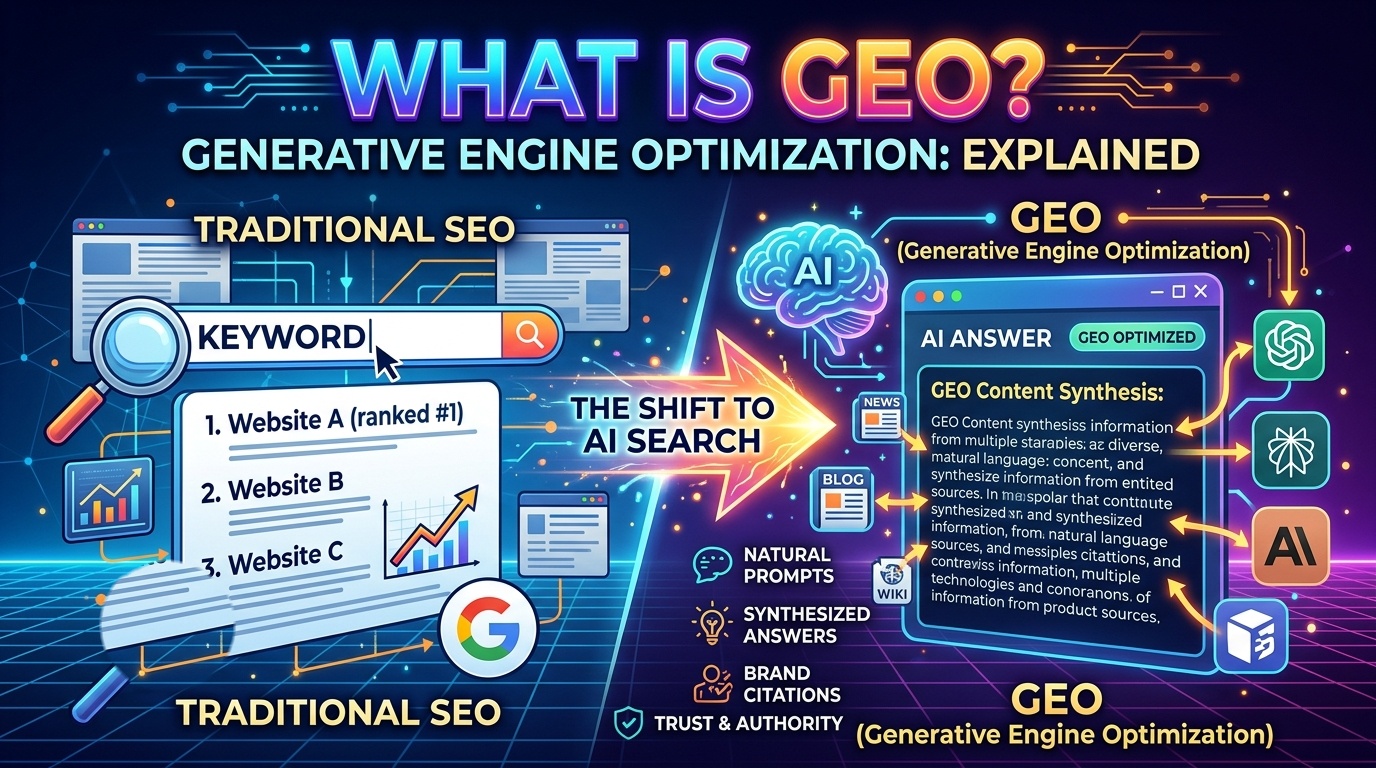
GEO stands for Generative Engine Optimization. It’s the work of getting your business named, quoted, and recommended inside the answers that AI tools write for people.
When someone types “who does bathroom remodels near me” into ChatGPT and gets back a short paragraph naming three companies, GEO is the reason one of those companies is in there and the others aren’t.
Traditional SEO earns you a spot on a page of links. GEO earns you a spot inside a sentence the AI writes. Same goal, which is getting in front of a person with a problem and a credit card. Different surface.
The term itself came out of a research paper published in late 2023 by academics from Princeton, Georgia Tech, the Allen Institute for AI, and IIT Delhi. They tested thousands of queries and found that specific content choices could measurably change whether a source got pulled into an AI-generated answer. You can read the original GEO paper on arXiv if you want the technical version. The short takeaway is that this isn’t guesswork invented by marketers. There’s real research underneath it.
A “Generative Engine” Is Just a Search Tool That Answers Instead of Lists

That phrase throws people. A generative engine is any tool that reads a question, pulls information from across the web, and writes an answer in its own words. ChatGPT. Perplexity. Google’s AI Overviews and AI Mode. Claude. Copilot. Gemini.
The behavior change matters more than the technology. Ten years ago a homeowner with a leaky roof typed “roofers Tampa” and got ten links to sort through. Today that same homeowner types something closer to “I have a tile roof from the 90s with a leak near the chimney, who should I call in Tampa and what should this cost.” And the tool hands back a written answer with two or three companies named in it.
They may never scroll. They may never see a search results page at all.
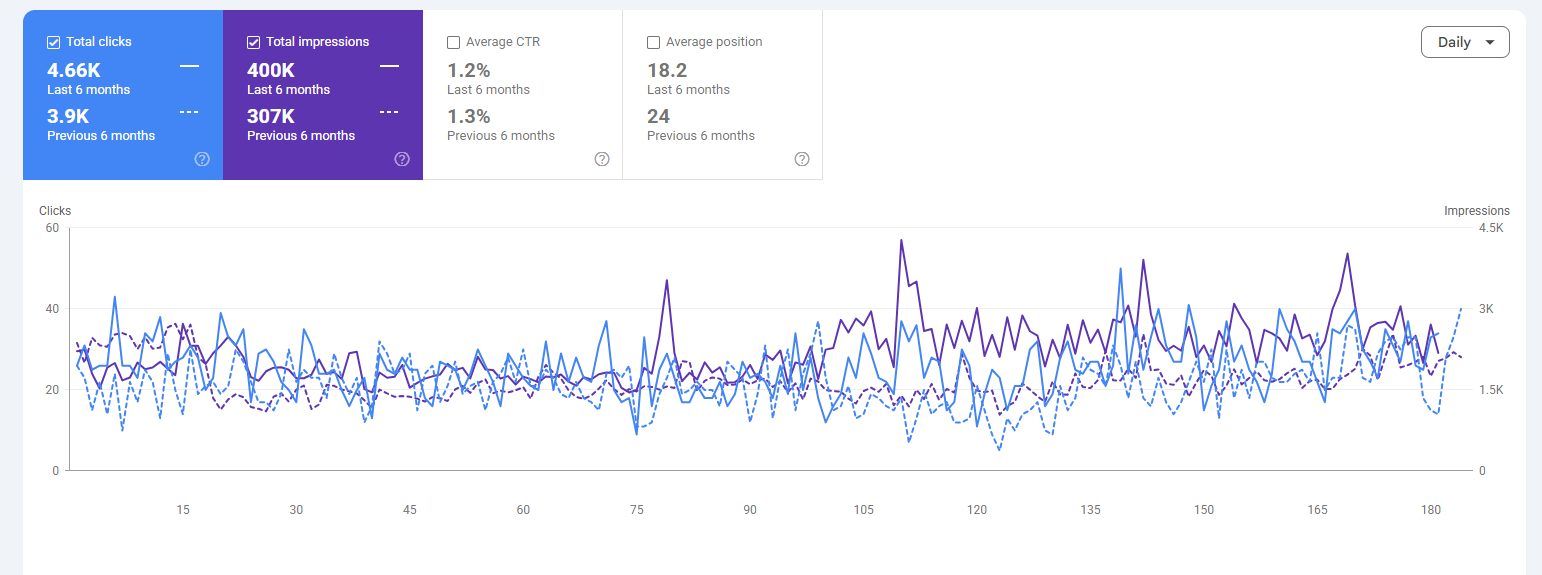
This is why so many business owners feel like something broke. Their rankings look fine in the reports but the phone is quieter. We wrote a whole piece on that specific frustration, ranking number one but getting no clicks, because it’s become one of the most common complaints we hear.
Does GEO Replace SEO? Google Answered That Directly
No. And you don’t have to take my word for it.
In May 2026, Google published official guidance for website owners on how to show up in its generative AI features. When the documentation asks whether SEO is still relevant for AI search, the answer Google gives is “In short, yes!” The company explains that its AI features run on the same core Search ranking and quality systems, using retrieval to pull pages from the same index that powers regular results.
Read that again, because it settles a lot of arguments. The AI answer is built from pages the search engine already retrieved and already trusted. If your site can’t earn a normal ranking, it isn’t in the pool the AI is drawing from in the first place.
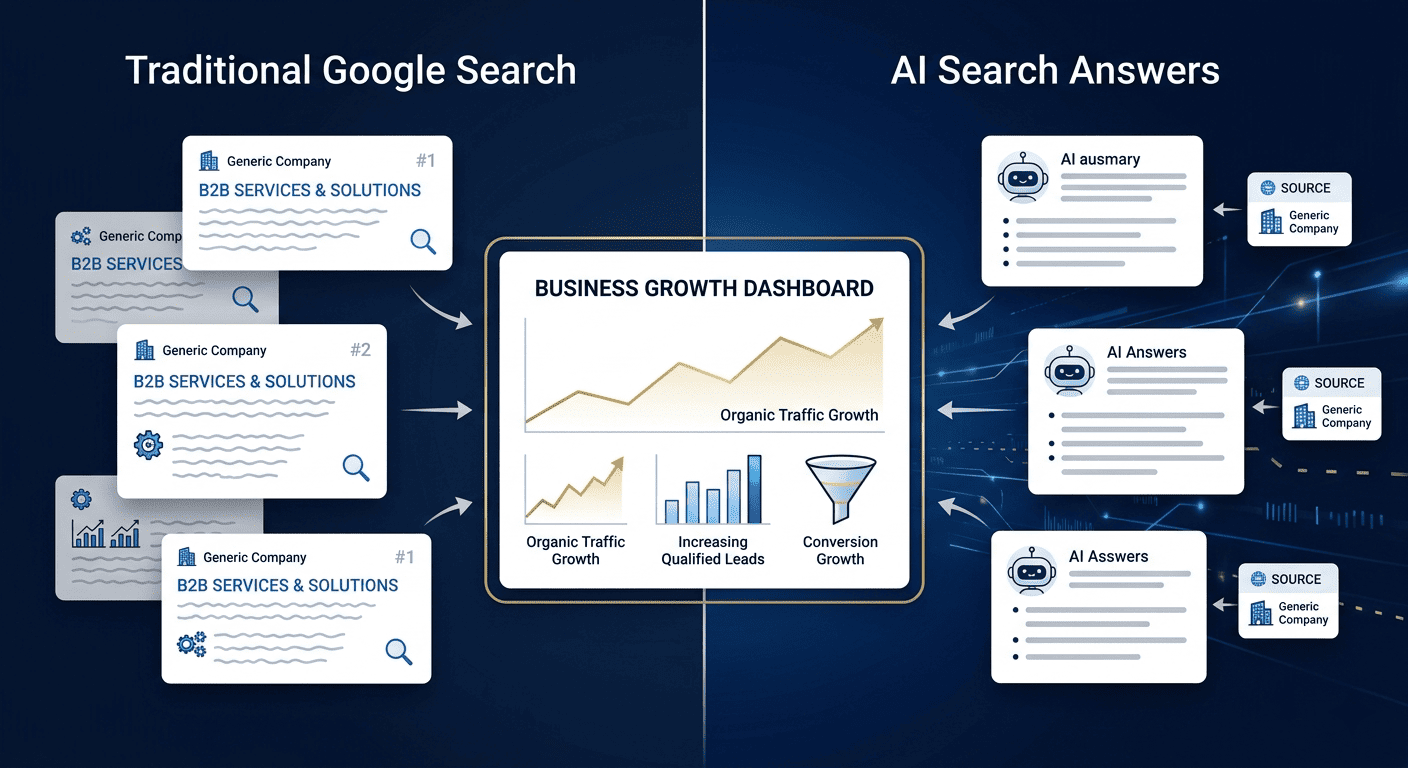
That’s the whole relationship in one sentence. SEO gets you into the room. GEO gets you quoted once you’re in it.
Anyone selling you GEO as a replacement for search engine optimization is either confused or hoping you are. You can look at Google’s own guidance on optimizing for generative AI features yourself.
Where SEO and GEO Overlap, and Where They Split

Most of the foundation is shared. A site that loads fast, gets crawled cleanly, and covers topics thoroughly does well in both worlds. Reviews, citations, consistent business information across the web, and genuine authority in your subject all feed both systems.
The differences show up in how content gets written and where your name appears off your own site.
Search engines reward pages that rank. Generative engines reward passages that are easy to lift and reuse. If your service page buries the answer under four paragraphs of company history, a crawler can still index it, but an AI trying to build a two-sentence answer will skip past you and quote the competitor who stated it plainly in the opening line.
The other big split is third-party mentions. AI tools lean hard on roundups, comparison articles, forums, and local list posts when they build recommendations. That’s why “best in town” style pages carry so much weight now. We broke down how those work in our piece on best-in-town lists and where AI citations come from.
Be the Answer Wherever Your Customer Is Searching

Here’s the part I’d underline if this were a printed page.
Your customers are not all searching in one place anymore. One asks Google. One asks ChatGPT. One asks Perplexity because a coworker recommended it. One opens Maps and never types a word into a search bar. A younger one searches TikTok. Plenty of people use two or three of these in a single afternoon while deciding who to call.
Picking a side in the SEO versus GEO debate means voluntarily going missing from wherever you didn’t pick. That’s the actual risk, and it has nothing to do with which technology wins.
The goal isn’t to rank. The goal is to be the answer, on every surface where a buyer is asking. Some of those surfaces send more qualified leads than others, and the mix shifts by industry, which is why we looked at which AI search platform actually sends customers rather than just which one gets the most press.
What Actually Gets a Business Cited in AI Answers
Practical stuff you can act on this week:
Answer the question in the first two sentences of the section. Put the direct answer up top, then explain. This single habit does more for AI visibility than most technical fixes.
Write the way customers ask. Real questions, real phrasing. “How much does a kitchen remodel cost in Sarasota” beats “Our Kitchen Remodeling Solutions” every time.
Include specifics only you have. Prices, timelines, materials, warranty terms, service areas, actual project details. Generic content gets skipped because five hundred other sites say the same thing. Original detail gets quoted.
Get named on sites that already have authority. Local publications, industry directories, supplier pages, chamber listings, genuine review platforms, relevant Reddit threads. AI models cite sources they encounter repeatedly across the web.
Keep your name, address, phone, and service description identical everywhere. Inconsistency makes it harder for a model to confidently connect the dots and decide you’re a real, trustworthy entity.
Use structured data so machines can read your business details without guessing.
Curious whether any of this is landing for you right now? Start by checking whether ChatGPT recommends your business for the questions your customers actually ask.
The Foundation Problem Nobody Wants to Hear About
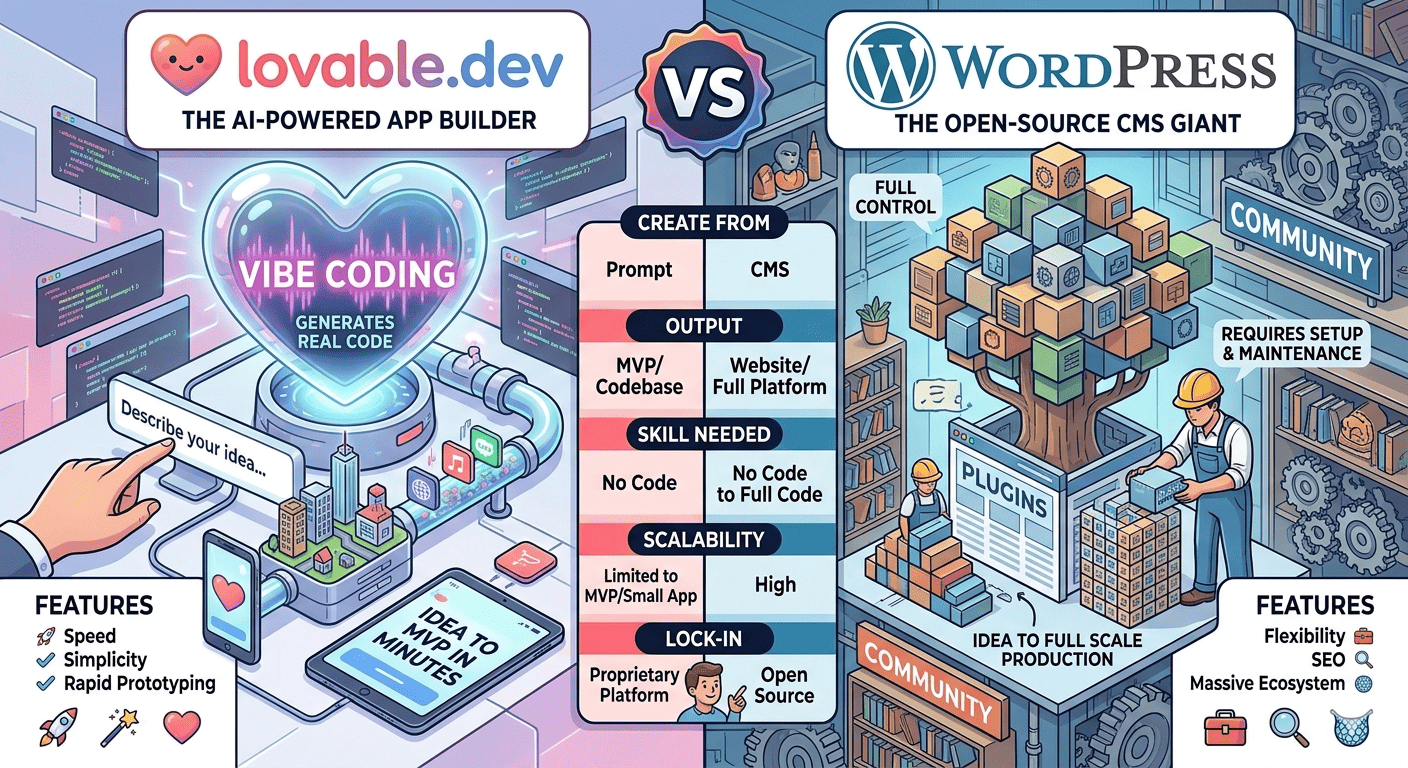
A fair number of small business sites can’t compete on either front because of what they’re built on. Thin pages, duplicated template copy, slow load times, no real structure. That gets worse when the site was spun up in an afternoon by a tool that promised instant results. We tested that assumption in our look at whether AI website builders are good for SEO, and the results were mixed at best.
If your foundation is shaky, fix it before spending a dollar on anything labeled GEO. There’s no shortcut around it.
How to Tell If It’s Working
Rankings alone won’t tell you anymore. Watch these instead:
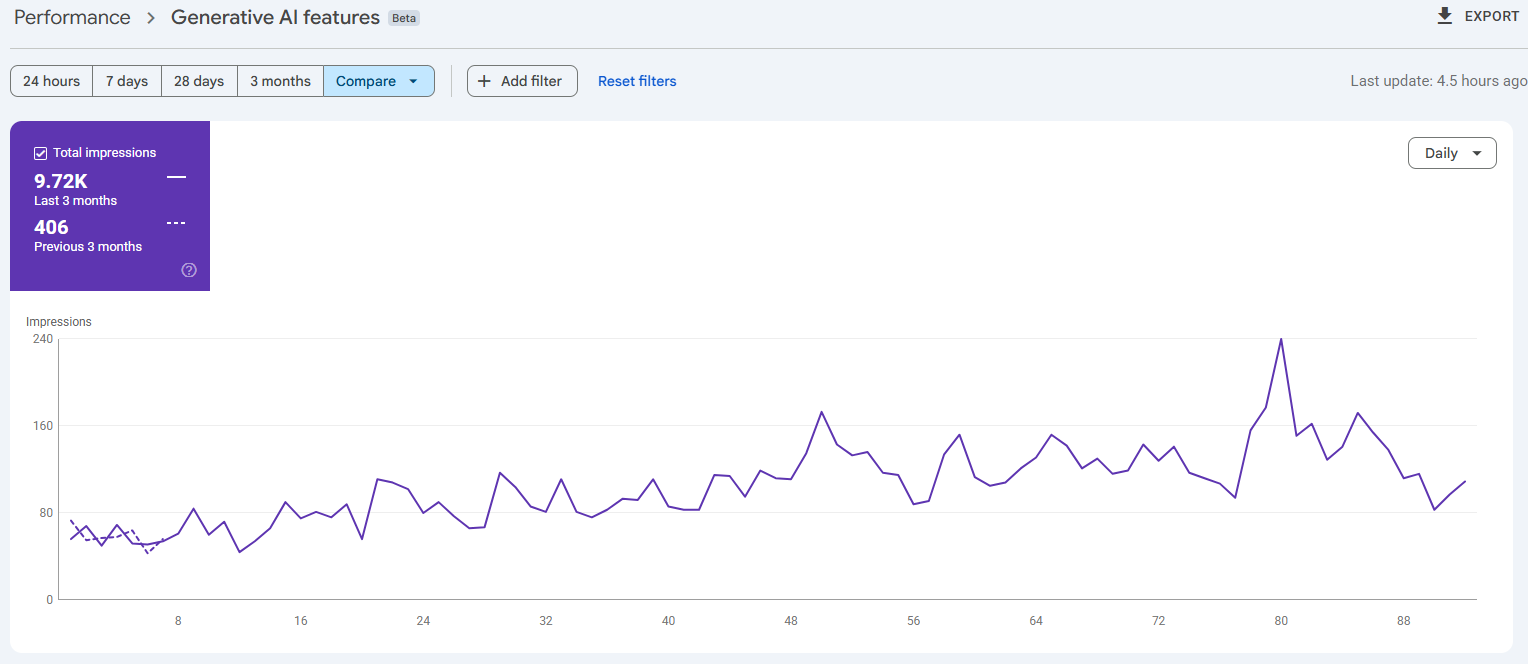
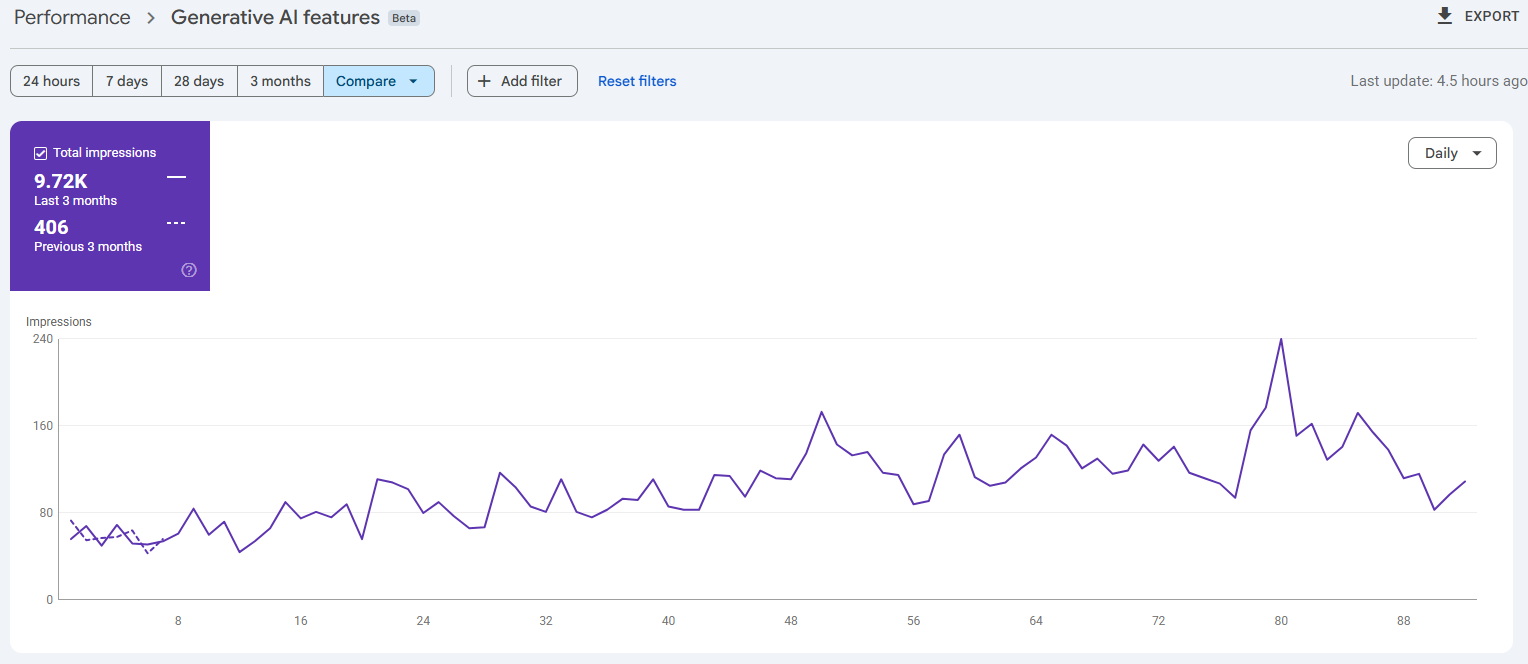
Referral traffic from AI domains in your analytics, things like chatgpt.com and perplexity.ai. Google Search Console now includes reporting on generative AI performance. Branded search volume, since people who find you in an AI answer often go look you up by name afterward. And plain old prompt testing, where you ask the same buying questions your customers ask and see who gets named.
Also watch lead quality. AI-referred visitors tend to arrive further along in their decision, because the tool already did the comparison shopping for them. Fewer visits, better conversations. We saw that pattern clearly in our case study on SEO for renovation companies.
Where to Go From Here
If you take one thing away, make it this: GEO is not a new industry that replaced the old one. It’s an expansion of the same job, which has always been making sure that when someone needs what you sell, you’re the name in front of them.
Audit what you have. Fix the technical basics. Rewrite your key pages so they answer real questions directly. Build mentions on sites that already carry weight in your market. Then measure across every channel, not just one.
If you’d rather have someone handle the whole thing, that’s what our generative engine optimization services are built for, and they fold into the broader digital marketing services we run for local and national businesses. Want to know where you currently stand in AI search? Book a call and we’ll show you what the engines are saying about your business right now.