How to Get Onto the Best in Town Lists That AI Keeps Citing
Ask ChatGPT for the best physiotherapist in your city and watch where the answer comes from. Almost never the clinics’ own websites. It pulls from a local magazine’s annual roundup, a Reddit thread from eight months ago, a Yelp category page, maybe a “top 10” post from a neighborhood blog nobody in the industry has heard of.
Those pages are the real battleground. You cannot edit them. You cannot buy your way onto most of them. And they decide who gets named when a buyer asks a machine for a recommendation.
Here is how the placement actually works.
The Citation Math Nobody Puts in a Pitch Deck

Muck Rack analyzed more than 25 million links cited by ChatGPT, Claude and Gemini across 17 industries. Earned third-party media accounted for 84% of all citations. Paid and advertorial content came to 0.3%.
Other studies land differently depending on how they define categories. Stacker put the figure at 64%, a 5WPR study at 85.5%. The honest range sits between 64% and 89%, and the direction is not in dispute even if the decimal is.
The mechanism behind it is simple enough. A business claiming it is the best in town is self-interested, and the models treat it that way. A local newspaper, a review platform or twelve strangers on Reddit saying the same thing is corroboration. AI systems need to encounter your name across independent sources before they build a stable enough association to recommend you.
Stacker and Scrunch ran a controlled test on this. The same article, hosted only on a brand’s domain, earned citations at around 8%. Distributed across third-party publisher networks, the identical content hit 34%.
That gap is the whole argument for treating generative engine optimization as an off-site discipline rather than an on-page checklist. It is also the cleanest illustration of how GEO differs from traditional SEO, where the bulk of the work happens on pages you control.
Step One: Find Out Which Lists Are Actually Getting Cited
Do not guess at this. Guessing produces a spreadsheet of 200 directories, 40% of which are dead.
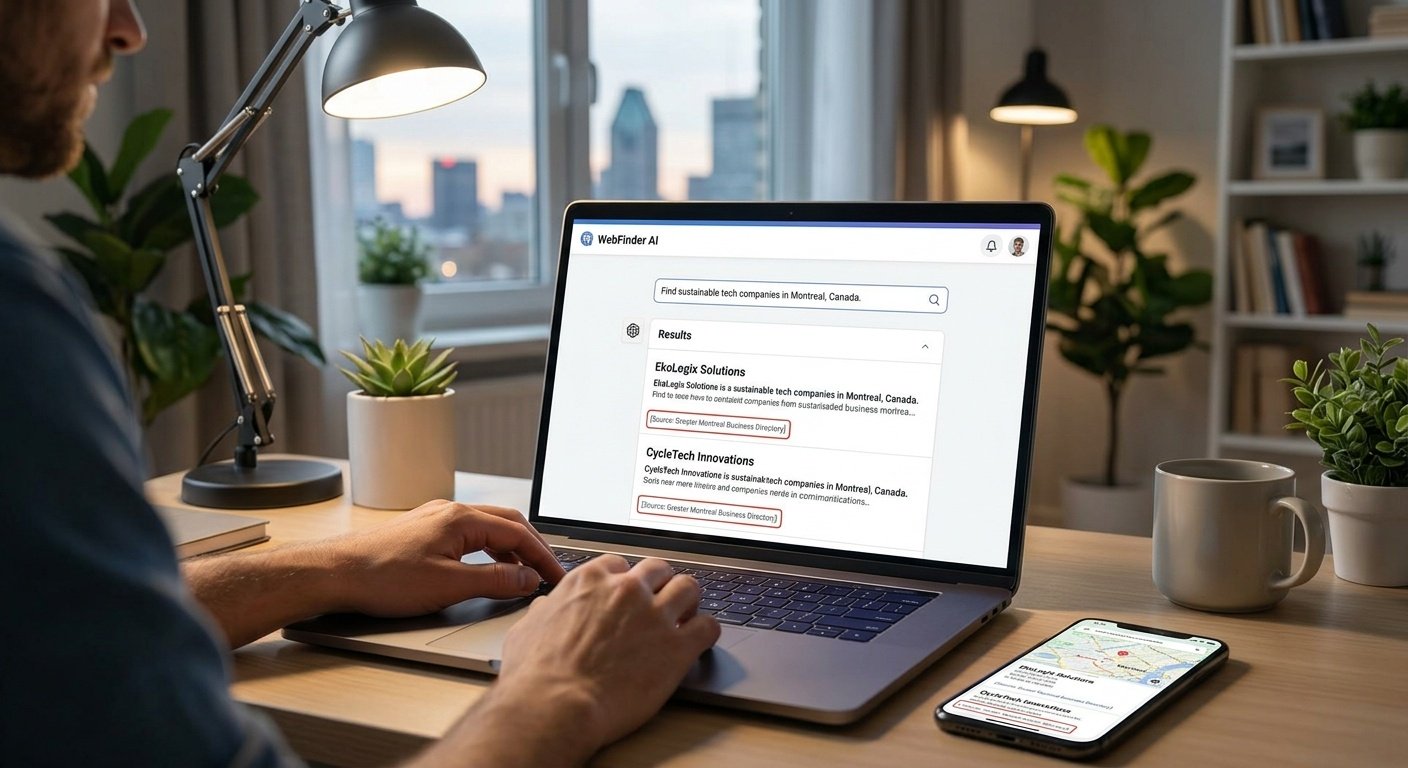
Open ChatGPT, Perplexity and Google AI Mode separately, logged out, and ask each one which specific websites, directories and review platforms it would check to research providers in your category and city. Then ask for the best providers and note every source it cites by name.
Twenty minutes gives you a target list of maybe 15 to 25 real URLs. That list is your entire program. The same audit approach works for checking whether ChatGPT recommends your business in the first place, and you may as well run both at once.
Expect the results to differ by platform. Reddit dominates Perplexity. Wikipedia dominates ChatGPT’s top sources. Gemini leans toward Medium and YouTube. If you have already decided which AI platform is worth prioritizing, weight your target list toward that one rather than spreading thin across all four.
Directories: Fewer Than Twenty Matter
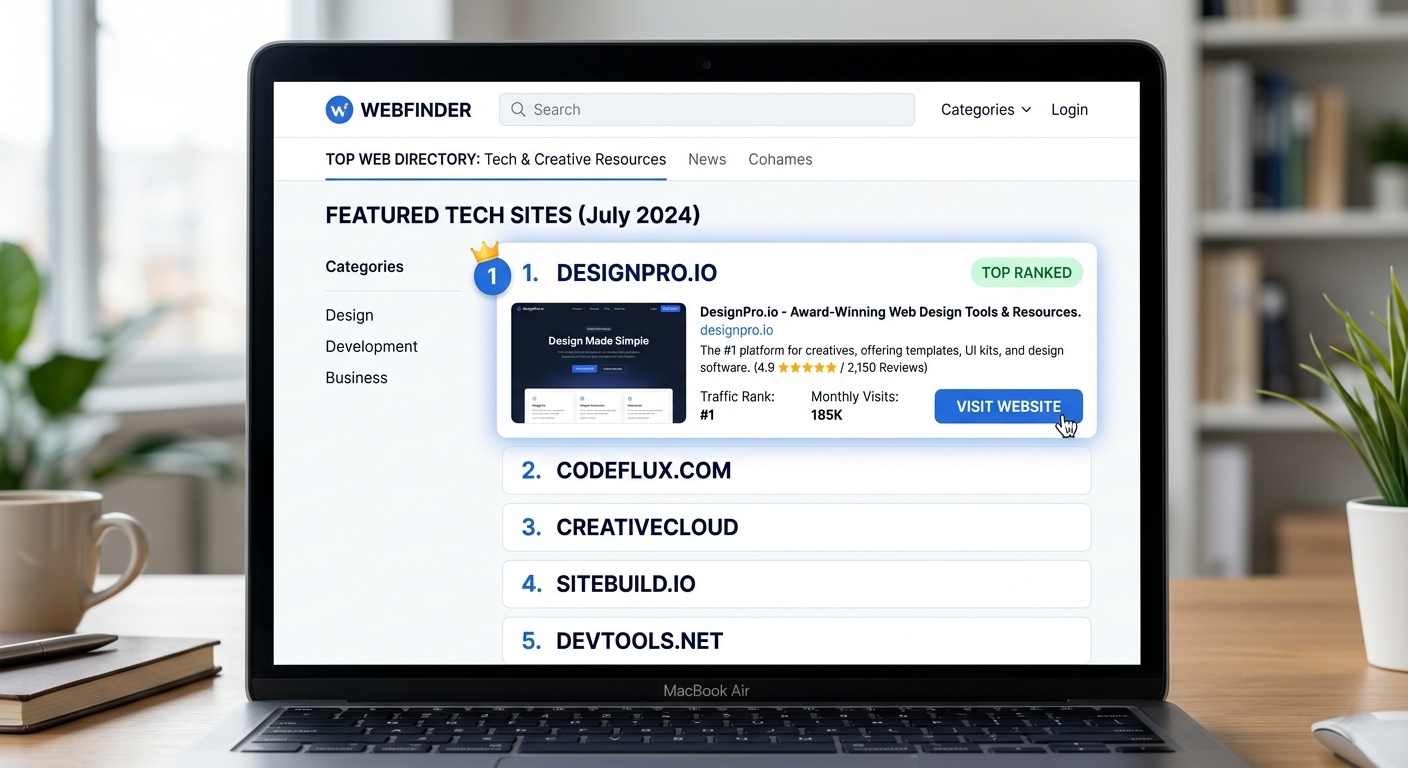
The 500-listing packages sold for forty dollars are worthless. Most of those domains are dead, blocked at the CDN level, or link farms the models have already learned to ignore.
Build in three tiers.
Tier one, non-negotiable: Google Business Profile, Apple Business Connect, Bing Places. These feed the mapping and grounding layers directly.
Tier two, general trust: Yelp, Better Business Bureau, your local Chamber of Commerce, Foursquare. Four listings, not forty.
Tier three, vertical: this is where the real value sits and where most businesses do nothing. Clinics need Zocdoc and Healthgrades. B2B service firms need Clutch and G2. Contractors need Houzz and Angi. One agency reported a dental client getting actual bookings from three vertical listings, not ranking movement, bookings.
When you fill them in, complete every field. Empty attributes are missed extraction opportunities. Write the description with specifics: named services, service area boundaries, credentials, years operating. “Committed to excellence” gives a model nothing to quote. “Same-day emergency appointments across Halifax and Dartmouth, open since 2011” gives it three extractable facts.
Roundup Pitching: The Part Almost Nobody Does
Local publishers run “best of” lists on schedules. City magazines, regional newspapers, neighborhood blogs, industry trade sites. Most refresh annually or quarterly, and most editors are quietly desperate for suggestions because updating those posts is nobody’s favorite assignment.
Four things separate a pitch that works from one that gets deleted.
Pitch the list that already exists. Do not propose they write something new. Find their existing roundup, note that it is missing a category or has a closed business still listed, and offer yourself as the fix. You are doing maintenance work for them.
Lead with a fact, not a request. Editors need a reason your inclusion is justified. Years in business, a specific credential, a service nobody else in the market offers, a measurable result. One sentence.
Keep it to four sentences. No attachments. No media kit. No paragraph about your passion.
Time it. Annual lists get updated six to eight weeks before publication. Pitching inside that window beats pitching at random.
A working version reads something like: “Your 2026 roundup of accountants in Calgary is missing anyone who handles cross-border filings, which is the most common question we field from clients here. We have been doing US and Canadian returns since 2014 and are one of two firms in the city with the designation. Happy to send details if useful. Either way, the listing for [closed firm] at number six shut down last spring.”
That last line is the one that gets replies. You just saved them from publishing something wrong.
Do not pay for placement. Paid and advertorial content made up 0.3% of AI citations in the Muck Rack data. It is the single worst-converting spend in this entire category.
Reddit: The Most Cited Domain in AI Search, and the Easiest to Get Wrong
Multiple 2026 studies put Reddit as the single most-cited domain across the major engines. Perplexity is the heaviest user by a wide margin, with Reddit making up a huge share of its top sources. ChatGPT sits lower. Gemini cites it least, around 3% by one tracker.
The mechanic that matters most: research on more than a million citations behind recommendation-style prompts found that around 62% of cited Reddit threads already ranked on Google’s first page. Search rank predicted citation. Karma did not.
So the goal is not to farm upvotes. It is to be present in the threads that rank, and to be mentioned in a way that reads as a real person’s experience.
How to do that without getting banned:
Use a real account with genuine history. A three-day-old account posting a recommendation is obvious to moderators and to readers.
Answer questions in your category without linking anywhere. Depth of answer is what gets quoted.
Disclose your affiliation every time it comes up. Reddit tolerates experts who identify themselves and removes anyone caught pretending.
Never coordinate. Vote manipulation and sockpuppeting get accounts banned, and a ban removes your comment history retroactively, which erases whatever citation value you built.
The highest-value Reddit mentions are the ones you did not write. When a customer says something specific about your work in a thread, that carries weight nothing you post yourself can match. Asking satisfied clients whether they use the relevant subreddit is a reasonable thing to do. Asking them to post a recommendation on your behalf is not.
Review Platforms: Substance Over Volume
Review count is a vanity metric here. What gets extracted is descriptive content.
“Great service, highly recommend” is unquotable. “They rebuilt our inventory system in six weeks and caught a tax error the previous firm missed” contains three facts a model can lift into an answer.
Ask for specifics. Prompt customers with a question: what problem did we solve, and how long did it take. That one change produces reviews that feed citations.
Recency matters more than total volume, particularly on Perplexity, which weights freshness heavily. A steady handful each month beats forty in one burst, which also looks manufactured to every platform’s fraud detection.
What Third Party Citations Will Not Fix
Getting cited sends people to your site. What happens next is on you.
If your pages were spun out of a template with generic filler copy, visitors arrive from a pre-qualified AI recommendation and land on something that reads like every competitor. That is a conversion problem no citation strategy solves, and it is the sharpest argument in the debate over whether AI website builders are good for SEO.
The same logic applies to visibility that produces nothing. Plenty of businesses already know the version where they rank first and still get no clicks. Adding citations to a site that cannot convert just moves the leak.
The Order to Do This In
Ninety days, roughly:
Weeks one and two, run the source audit and build your target list of 15 to 25 URLs. Fix tier one and tier two directories.
Weeks three through six, complete vertical directory listings and start the review request process with specific prompting.
Weeks seven through twelve, pitch roundups on their refresh schedules and build genuine presence in the two or three subreddits that map to your category. Then re-run the audit. The lists that cite you now are the ones worth defending.