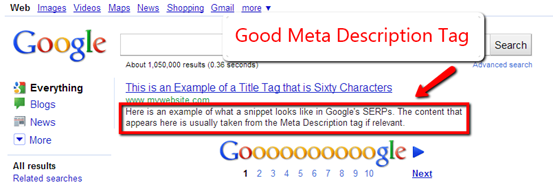
How to Outrank Houzz and Angi Locally with a Home Renovation Services Hub
If you run a flooring, bathroom renovation, or home services company, you’ve probably noticed something frustrating: when potential customers search for services in your area, big directories like Houzz and Angi dominate the first page of Google. These platforms have massive budgets, established domain authority, and seemingly endless resources to throw at SEO.
But here’s what most local contractors don’t realize: You can actually beat them at their own game. The secret isn’t trying to out-spend these giants or copying their tactics. It’s about building something they can’t replicate: a localized, specialized services hub that speaks directly to your community’s needs.
Why Traditional Directory Sites Are Vulnerable

Houzz and Angi might look unbeatable, but they have a fundamental weakness. They’re trying to be everything to everyone, everywhere. Their pages are generic templates that barely mention your specific city or neighbourhood. They’re stuffed with contractor listings from across the country, making it nearly impossible for them to provide genuinely local, relevant content.
Think about it, when someone in your town searches for “bathroom remodelling near me,” they don’t want a national directory. They want someone who understands local building codes, knows which materials hold up in your climate, and has worked on homes similar to theirs. That’s your advantage.
Google’s algorithm has gotten smarter about recognizing truly local businesses versus national aggregators pretending to be local. The search engine wants to show users the most relevant results, and a well-optimized local business website beats a cookie-cutter directory page almost every time.
Building Your Services Hub Foundation
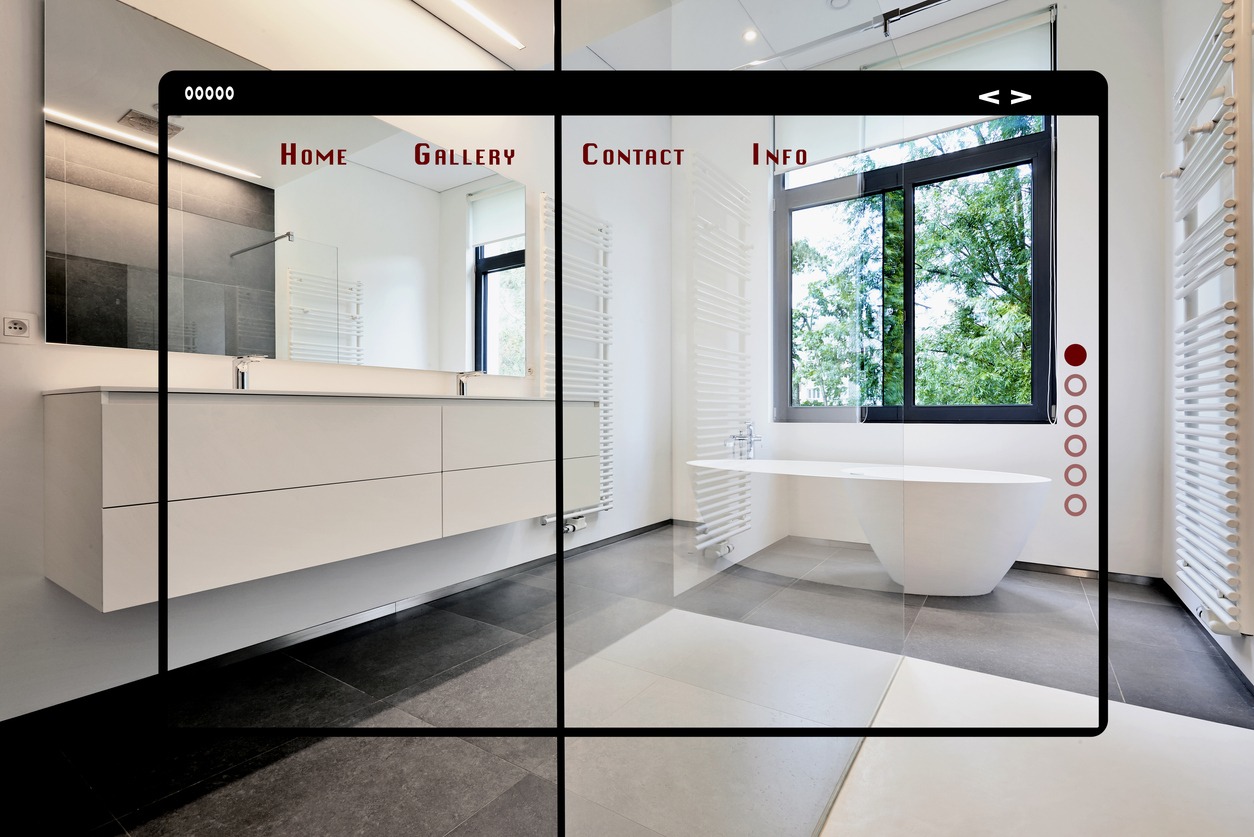
A services hub isn’t just your standard five-page website with a home page, about us, services, gallery, and contact form. It’s a comprehensive resource that establishes you as the definitive expert for home renovation services in your specific market.
Start by mapping out every service you offer, but break them down granularly. If you do bathroom renovations, don’t just have one “Bathroom Remodelling” page. Create separate, detailed pages for shower installations, vanity replacements, tile work, accessibility modifications, and luxury spa bathrooms. Each page should be a deep dive into that specific service, answering every question a homeowner might have.
The structure matters more than you think. Your main service pages should be easily accessible from your homepage, and each should link to related services naturally. If someone is reading about hardwood floor installation, they might also be interested in floor refinishing or waterproof flooring options for kitchens and bathrooms.
Creating Location-Specific Content That Dominates
Here’s where you really start pulling ahead of the national directories. Every service page should have location-specific information woven throughout the content. Don’t just mention your city once and call it a day; talk about the neighbourhoods you serve, local architecture styles, regional weather considerations, and area-specific challenges.
For example, if you’re a flooring company in a coastal area, discuss how salt air and humidity affect different flooring materials. If you work in an older city with historic homes, explain your experience working within preservation guidelines. Moving companies can talk about navigating narrow city streets or handling moves in high-rise buildings common to the area.
Create dedicated location pages for each city or major neighbourhood you serve. These shouldn’t be thin, duplicate content; each page needs unique, valuable information about serving that specific area. Include details like typical project timelines for local permits, popular design trends in that neighbourhood, and examples of past projects there.
The Content Strategy That Actually Works

Most contractors treat their blog as an afterthought, posting sporadically when they remember or when someone tells them they “should be blogging for SEO.” That approach won’t cut it against established directories.
Your content needs to answer real questions your potential customers are asking. Use tools like Google’s “People Also Ask” sections, look at what people are searching for in your Google Business Profile insights, and pay attention to questions you get during estimates.
Write comprehensive guides that genuinely help people. A post titled “How Much Does Bathroom Renovation Cost in [Your City]?” with actual local pricing ranges, factors that affect cost, and tips for budgeting will attract people in the research phase. A detailed guide on “Choosing the Right Flooring for [Your Region’s] Climate” positions you as an expert while capturing search traffic.
The key is consistency and quality over quantity. Two thoroughly researched, well-written posts per month beat eight thin, generic posts every time. Each piece should be substantial, think 1,500 to 2,500 words, and include images from your actual projects, not stock photos.
Technical SEO Fundamentals You Can’t Ignore

Even the best content won’t rank if your technical foundation is shaky. Unfortunately, many home service companies are making critical mistakes that tank their search visibility. Avoiding common local SEO mistakes can make the difference between page one and page three.
Your website needs to load fast, really fast. If your project gallery images aren’t optimized, they’re likely killing your load time. Compress images before uploading them, and consider lazy loading for galleries. Mobile speed is particularly crucial since most homeowners are searching for services on their phones.
Schema markup might sound technical, but it’s basically code that tells Google exactly what your business does and where you serve. Local business schema, service schema, and review schema all help search engines understand and display your information more prominently. Many platforms have plugins that make this easier than it sounds.
Your site architecture should make sense to both users and search engines. Clear navigation, logical URL structures, and proper internal linking all contribute to better rankings. When you mention related services in your content, link to those service pages using descriptive anchor text, not generic “click here” links.
Leveraging Reviews and Trust Signals

Houzz and Angi have thousands of reviews, but quantity isn’t everything. What matters are recent, authentic reviews from real local customers. Google puts significant weight on fresh reviews that mention specific services and locations.
Make it ridiculously easy for satisfied customers to leave reviews. Send follow-up emails with direct links to your Google Business Profile, provide business cards with a QR code that goes straight to your review page, and personally ask happy clients when you complete projects.
Display reviews prominently on your website, especially on relevant service pages. If you have a great review about a bathroom renovation, feature it on your bathroom services page. Include photos from the project if the customer allows it.
Build out detailed case studies and project showcases. These serve double duty; they provide fresh content for SEO while demonstrating your expertise and quality. Include before-and-after photos, discuss the challenges, explain your solution, and mention the specific location and services involved.
The Power of Hyper-Local Link Building

Backlinks still matter for SEO, but for local businesses, the quality and relevance of those links matter more than the quantity. One link from your local chamber of commerce website is worth more than ten links from random, irrelevant sites.
Get involved in your community beyond just doing business. Sponsor local sports teams, participate in community events, partner with local real estate agents, or host home improvement workshops at the library. These activities often come with website mentions and links.
Create relationships with complementary local businesses if you do flooring, partner with local interior designers, real estate agents, and home stagers. Many will be happy to link to your resources from their websites, and you can return the favour.
Local news outlets and blogs are always looking for expert sources. When there’s a story about the local housing market, renovation trends, or home improvement tips, reach out as a local expert willing to provide quotes or insights. The resulting articles often include links to your website.
Understanding What Success Actually Looks Like

Don’t obsess over ranking number one for ultra-competitive keywords like “bathroom remodelling” nationally. That’s not the goal, and it’s not where your customers are. Focus on dominating local search terms like “bathroom renovation [your city]” or “flooring company near [neighbourhood].”
Track the right metrics. Traffic is nice, but what matters is qualified leads and conversions. Use Google Analytics to monitor which pages attract visitors who actually contact you or request quotes. Double down on content types that drive conversions, not just traffic.
Monitor your Google Business Profile insights closely. You’ll see which searches trigger your profile, where people are finding you, and how they’re interacting with your listing. This data is gold for refining your SEO strategy.
Watch your competitors, but don’t obsess over them. Check in quarterly on where they rank, what content they’re creating, and which keywords they’re targeting. Use this information to find gaps you can fill, not to copy their strategy.
Making It Happen Without Burning Out

Building a services hub that outranks major directories takes time and consistent effort. Most contractors either try to do everything at once and burn out, or they procrastinate indefinitely because it feels overwhelming.
Start with your most profitable services. If bathroom renovations are your bread and butter, build out those pages first: the main service page, specialized sub-pages, related blog content, and location variations. Get that dialled in before moving to your next service line.
Create a realistic content calendar. Maybe you write one detailed service page and one blog post each month. That’s 24 pieces of substantial content per year, which is more than most of your competitors will produce.
Consider where your skills are best used. If you’re great at sales and project management but writing makes you miserable, it might be worth working with professionals who understand both home services and SEO. The services that can support your growth often pay for themselves quickly through better rankings and more leads.
Getting Started Today
The best time to start building your services hub was a year ago. The second-best time is now. While you’re waiting and thinking about it, your competitors might be implementing these strategies and claiming the top spots in search results.
Begin with an honest assessment of where you stand. How does your current website stack up against the directories you’re trying to outrank? What content gaps exist? Which services or locations aren’t adequately covered? A thorough free SEO analysis can identify specific opportunities and quick wins for your business.
Pick one action item from this article and implement it this week. Maybe that’s creating a new location page, writing a detailed service page, or asking your last three happy customers for reviews. Small, consistent actions compound into significant results.
Remember, Houzz and Angi aren’t going anywhere, but they’re not unbeatable. They’re slow-moving corporations with generic content strategies. You’re a nimble local business with genuine expertise and community connections. Use those advantages, build your authoritative services hub, and watch as you climb past the directories to capture the customers who are actively looking for what you offer in your area. The opportunity is there. The question is whether you’ll take action while your competitors are still complaining about how hard it is to compete with big directories.